
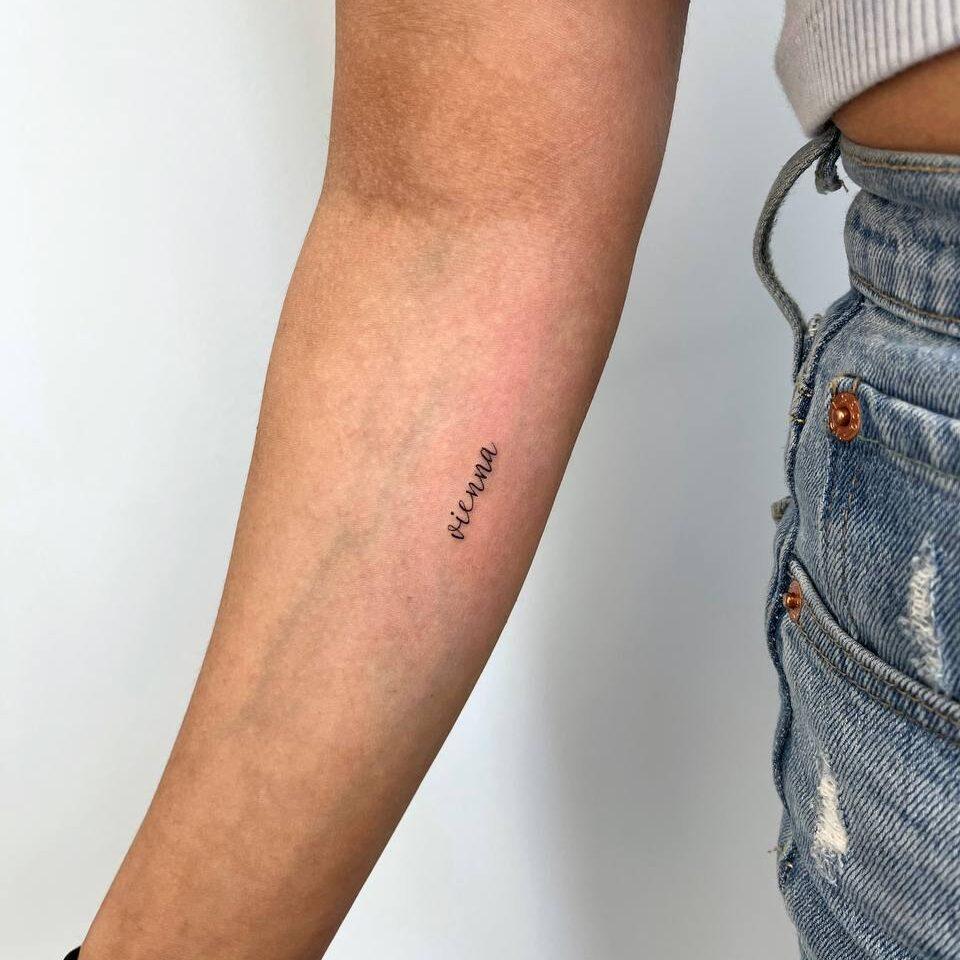
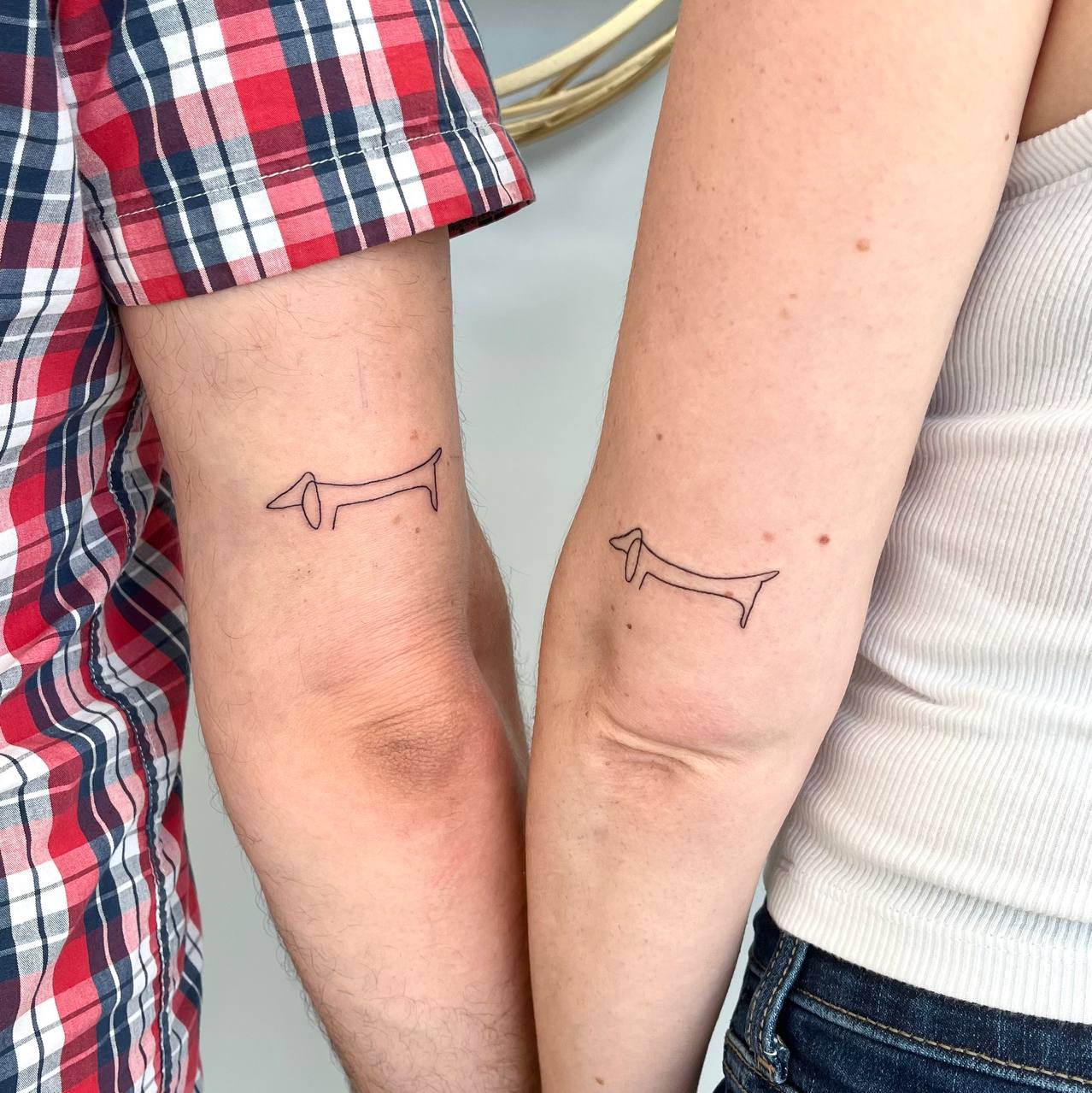
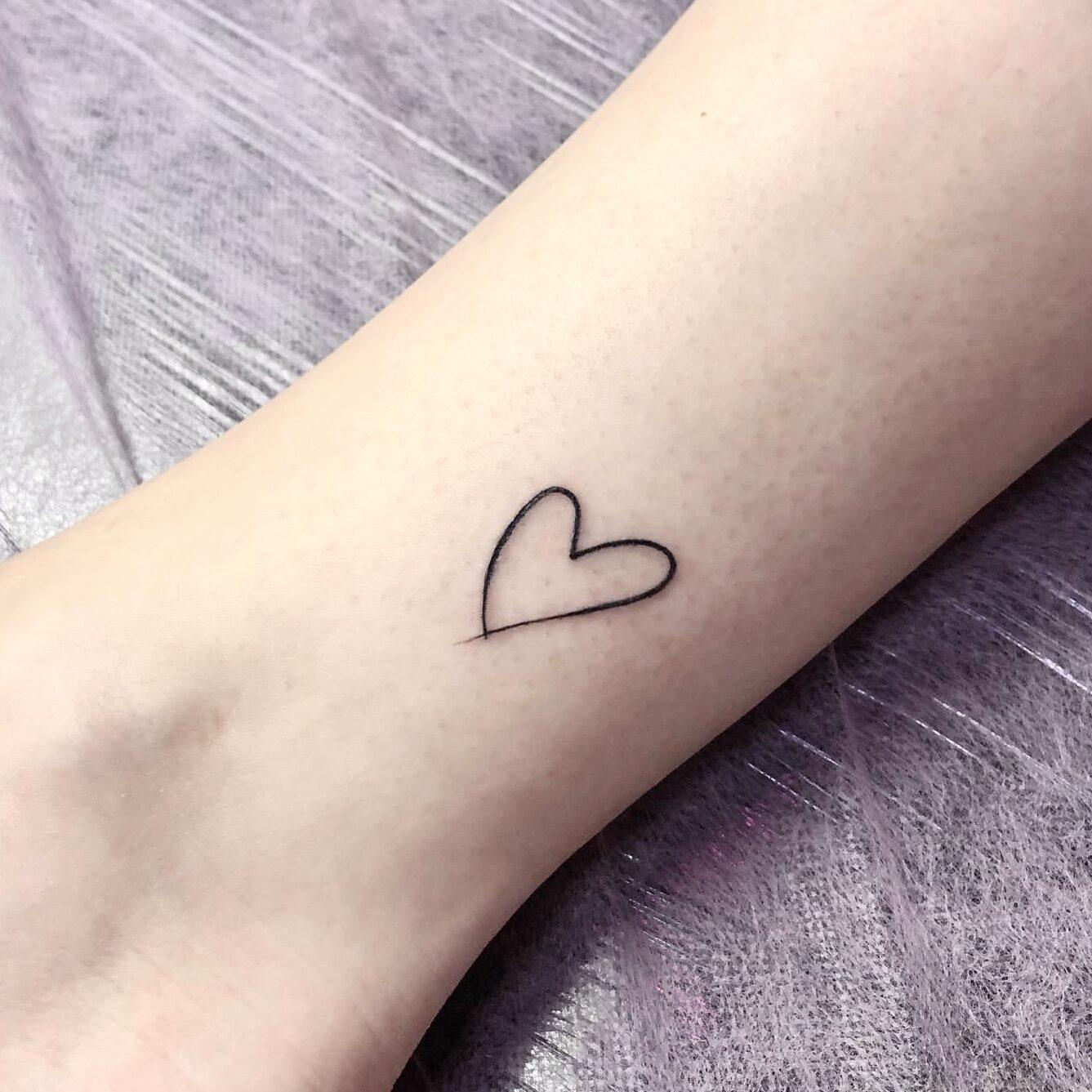
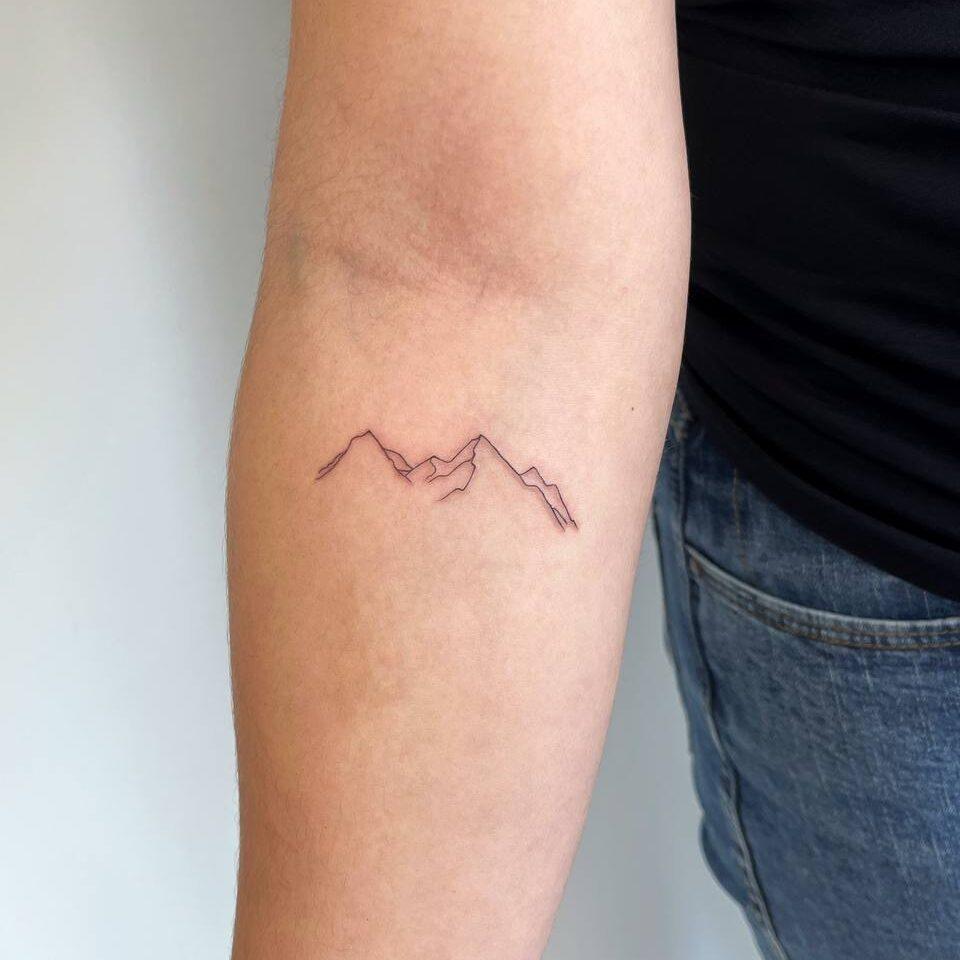
Explore Tiny Tattoo techniques in our 2-day in-person private training, held in Southside Edmonton.
Led by an experienced tattoo artist, this training introduces tiny tattoo application methods, including tool setup, basic design considerations, and guided hands-on practice. The course is focused on procedure fundamentals and technique overview, helping participants become familiar with how tiny tattoos are performed.
Highlights of our Tiny Tattoo Course include:
Training is led by an experienced tattoo artist with several years of industry experience.
The course includes a combination of online preparatory learning and in-person instruction, introducing the fundamentals of tiny tattooing and how the procedure is performed.
Instruction covers sanitation and hygiene considerations, an overview of tools, needles, and inks, and how they are commonly used within the scope of tiny tattoo techniques.
Class sizes are kept small to allow for guided instruction, personalized feedback, and hands-on practice time during in-person sessions.
Upon completion, participants receive a Certificate of Completion issued by PMU Course Studio & Academy for the Tiny Tattoo training.


TRAINING SCHEDULE (in-person part)
Theoretical part (10 am – 12:30 pm):
- Revision of Online Materials
- Q & A
- Specifics of working with different tattoo machines
- Ink brands
- Needle Types and Needle Stroke
- Safety during Tattoo Session
- Consent Forms
Break (12:30 pm – 1 pm)
Demonstration model (1 pm – 2 pm)
Practical part (2 pm – 4:30 pm):
- Working on artificial skin with supervision
- Practicing a tattoo design on artificial skin
Practical part (10 am – 12:30 pm):
- Revision of the material
- Q&A
Break (12:30 pm – 1 pm)
First Live Model* for student (1 pm – 2:30 pm)
Second Live Model* for student (2:45 pm – 4:15 pm)
*Students must provide their own practice models. If you have any difficulties, please contact our studio for assistance.
COSTS
Edmonton Training Fee $2,000+GST (kit included, machine is optional at $300)
BONUS: BUSINESS DEVELOPMENT PROGRAM MATERIALS (which includes 41 ways to gain and retain clients)
Kit includes:
- Transfer Paper (20 pcs)
- Transfer Gel
- Bottle
- Green Cleansing Soap
- Second Skin (1 roll)
- Cartridges (10 pcs)
- Ink Cups 1 pack
- Vaseline
- Black Ink 1 oz
- Artificial Skin (3 pcs)
- Clip Cord Covers (10 pcs)
- Tattoo Bandage Roll
Enroll Today
If you’re interested in learning more about Tiny Tattoo techniques, we invite you to join our Tiny Tattoo Training. Spaces are limited — reserve your spot to take part in this focused, in-person training experience.
To register, send us an email to admin@lighttouchstudio.ca or give us a call at 587-855-3909.
This training is privately offered and is not a government-regulated or accredited program. Completion of this course results in a Certificate of Completion issued by PMU Course Studio.
Cost
$2,000+GST
Trainings Schedule
- January 29-30, 2026, Edmonton
- February 9-10, 2026, Edmonton
- February 23-24, 2026, Edmonton
We appreciate early registration, but you must sign up no later than 2 weeks before the in-person training starts to ensure you have enough time to prepare and go over online materials.
Before registering online, please call the studio at
+1 (587) 855-3909 to confirm availability, as the training dates are subject to change
How to Register:
- Click the “Sign Student Contract” button to complete and submit the agreement.
- Click the “Pay Deposit” button to make your deposit. You can also pay in person or via e-transfer to depositlighttouch@gmail.com. If paying in person, please call 587-855-3909 to check availability.
- Once we receive both your Student Contract and Deposit, you’ll get an email with online study materials (if applicable) and a confirmation from our studio.
For any questions, email admin@lighttouchstudio.ca or call 587-855-3909.
For full registration at PMU Course Academy, a deposit must be paid within 24 hours of signing the Student Contract.
IMPORTANT: If you’re using a payment plan, whether through financing or a loan from our studio, online deposit payments are not accepted. Please call our office at 587-855-3909 for further instructions.
About Tiny Tattoo
Tiny tattoos, also known as micro tattoos or minimalist tattoos, are small, often delicate designs that have gained popularity due to their subtle and elegant appearance. Here’s a comprehensive overview of tiny tattoos:
Characteristics of Tiny Tattoos
- Size: Typically, tiny tattoos range from a few millimeters to a couple of centimeters in size.
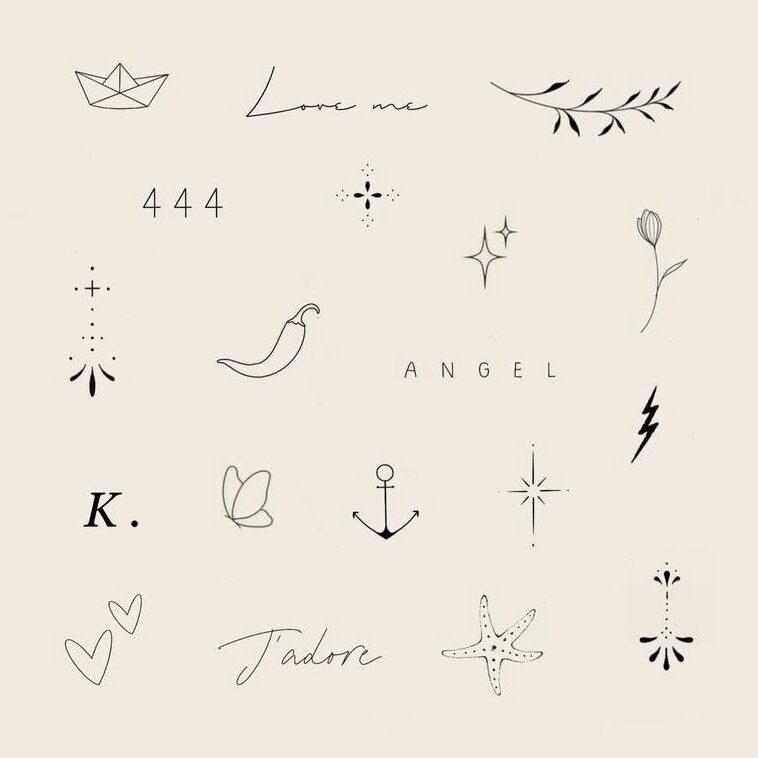
- Design: The designs are usually simple and can include symbols, words, geometric shapes, nature elements (like leaves or flowers), or small animals.
- Placement: Common placements for tiny tattoos include the wrist, ankle, behind the ear, fingers, and collarbone.
Benefits of Tiny Tattoos
- Discreet: They are subtle and can be easily concealed if needed.
- Less Pain: Due to their small size, they often take less time to complete, which can result in less discomfort.
- Quick Healing: Smaller tattoos tend to heal faster than larger ones.
- Affordability: Generally, they cost less than larger tattoos due to the reduced time and materials required.
Considerations
- Detail and Precision: Due to their size, tiny tattoos require a skilled artist who can work with precision.
- Fading: Tiny tattoos might fade faster, especially if placed on areas that are frequently exposed to the sun or friction.
- Simplicity: Designs should be simple enough to remain clear and crisp over time, as intricate details can blur as the tattoo heals and ages.
Process of Getting a Tiny Tattoo
- Choosing a Design: Select a simple, meaningful design that can be effectively rendered in a small size.
- Selecting a Placement: Decide on an area of the body where the tattoo will look good and age well.
- Consultation: Have a consultation with a tattoo artist to discuss the design, placement, and any concerns.
- Tattooing: The artist will clean the area, apply a stencil, and use a tattoo machine to create the design. The process is usually quick due to the small size of the tattoo.
- Aftercare: Follow the artist’s aftercare instructions, which typically include keeping the area clean, avoiding sun exposure, and applying a healing ointment.
Aftercare Tips
- Keep It Clean: Gently wash the tattoo with mild soap and water.
- Moisturize: Apply a thin layer of fragrance-free moisturizer or the ointment recommended by your artist.
- Avoid Picking: Do not pick at scabs or peeling skin to prevent scarring.
- Sun Protection: Keep the tattoo out of direct sunlight and apply sunscreen once it’s fully healed to prevent fading.
Finding the Right Tattoo Artist
- Experience with Tiny Tattoos: Look for an artist who specializes in or has ample experience with tiny tattoos.
- Portfolio: Review the artist’s portfolio to ensure their style matches what you want.
- Hygiene Practices: Make sure the tattoo parlor follows strict hygiene protocols.
- Reputation: Check reviews and ask for recommendations to find a reputable artist.
Popular Tiny Tattoo Ideas
- Symbols: Hearts, stars, infinity symbols, arrows, and zodiac signs.
- Nature: Leaves, flowers, mountains, and animals.
- Words: Short words, initials, or meaningful phrases in a delicate font.
- Geometric: Simple geometric shapes like triangles, circles, and lines.
Risks
- Infection: As with any tattoo, there is a risk of infection if proper aftercare is not followed.
- Allergic Reactions: Some people may have allergic reactions to the ink used.
- Blurring: Over time, the lines in a tiny tattoo can blur, especially if the design is very intricate.